

Why communal cleaning needs its own approach
Made for shared use
The clean reflects footfall, touchpoints and the way common areas are used.
Planned with building access
Keys, security and entry routes can be agreed before visits begin.
Useful for managed properties
A presentable entrance helps residents, visitors and property contacts alike.
Keep shared routes cleaner for residents, staff and visitors
Shared spaces can lose their presentable feel quickly when many people pass through them each day. Entrances, corridors, stairs, landings and other common-use facilities pick up dirt, marks and wear in a different way from private rooms, so they need a cleaning plan that reflects that traffic. With HTM Cleanning, we can focus on floors, handrails, doors and the contact points that affect how the building feels as soon as someone walks in. The aim is to help managed premises stay more usable and more welcoming without ignoring the practical realities of shared access.
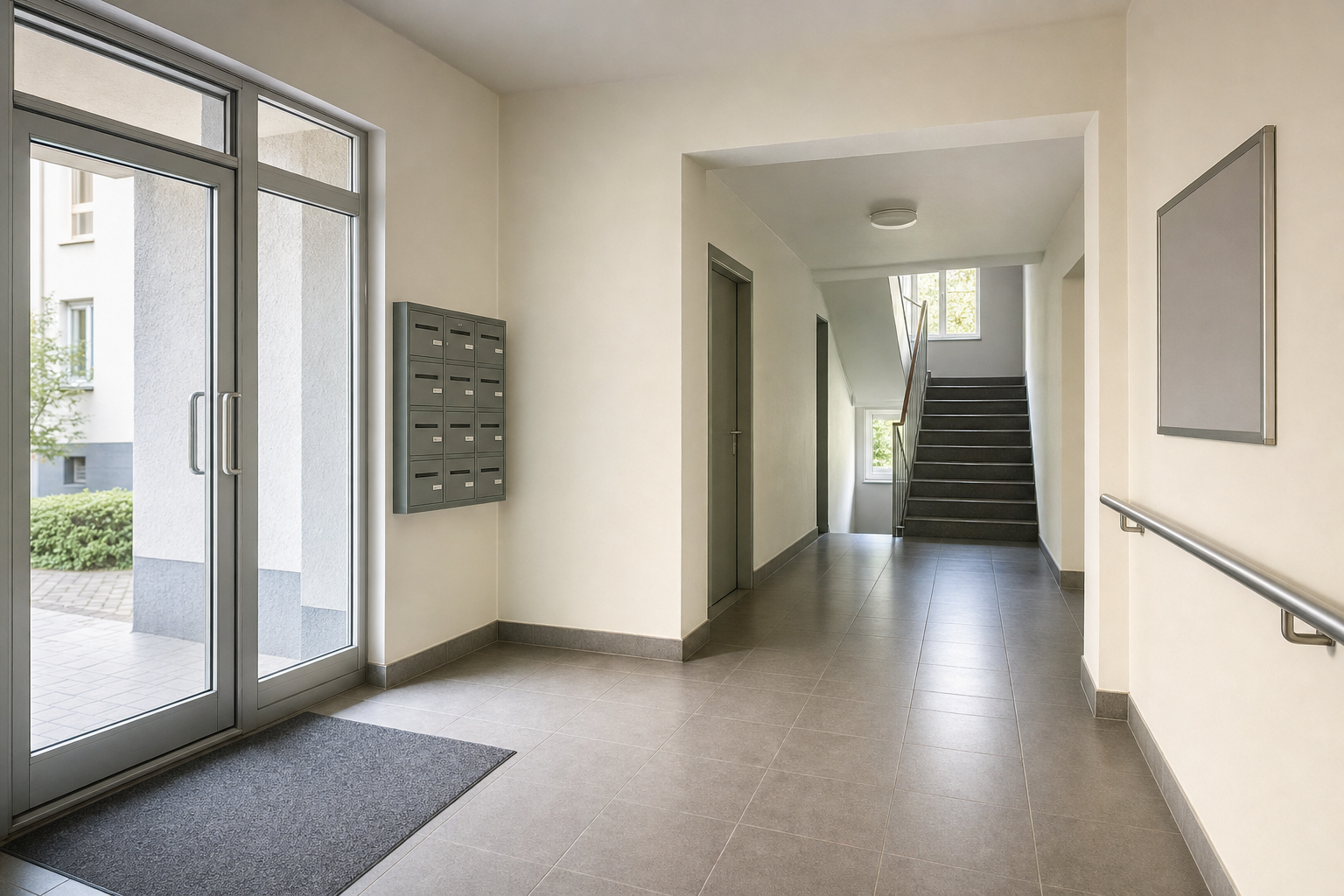
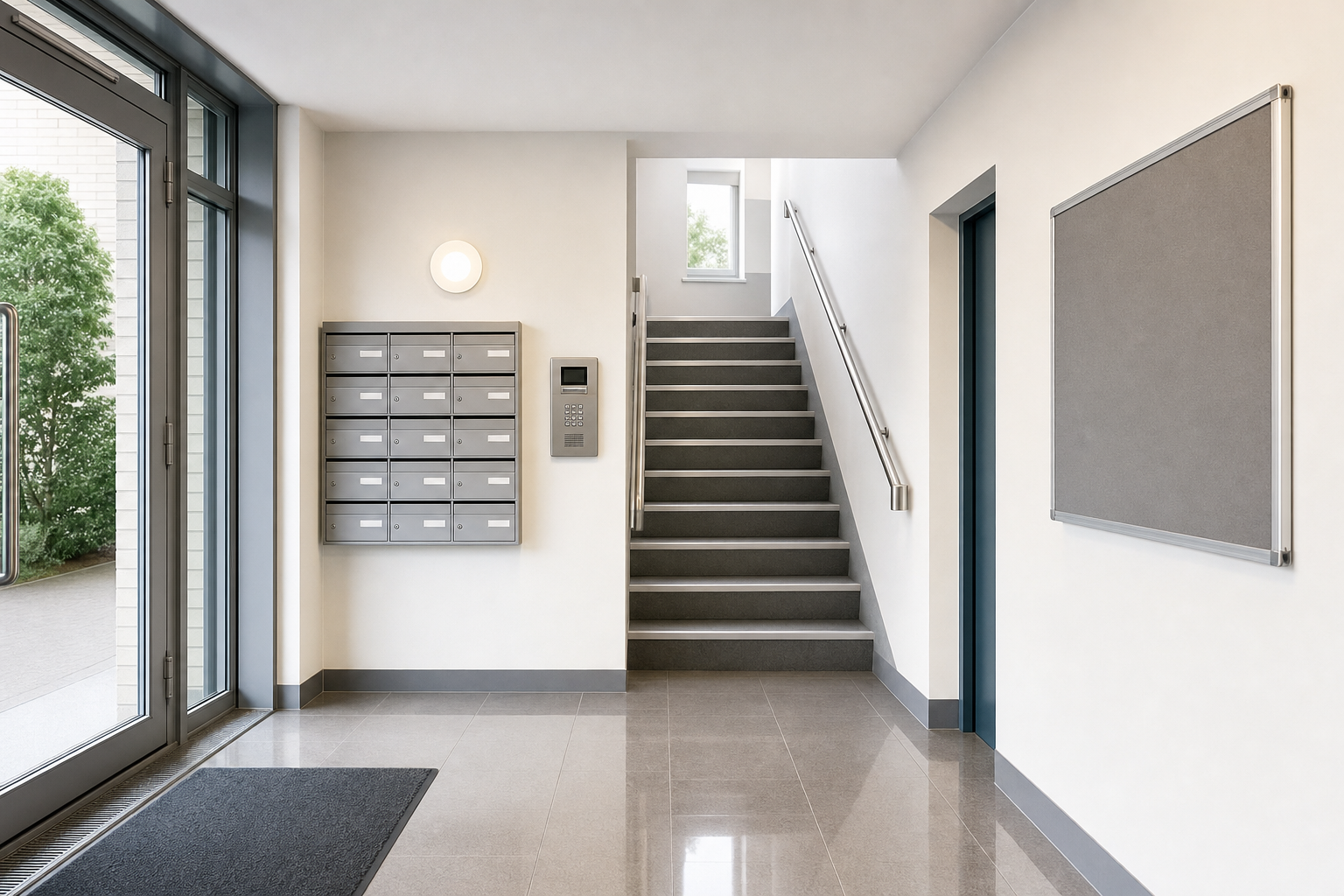
Visit plans agreed with footfall and access in mind
Communal cleaning works best when the building entry arrangements and task priorities are clear from the start. We can agree visit frequency and cleaning focus with landlords, managing contacts, councils or commercial clients, depending on who is responsible for the space. Keys, security procedures and the flow of people through shared routes can all be discussed before we attend. When you speak to HTM Cleanning, we can shape the work around the parts of the building that carry the most daily pressure.
Frequently asked questions
What parts of a building count as communal areas?
Communal areas are the shared spaces people use to enter, move through or access the building, such as entrances, corridors, stairs, landings and similar common-use routes. The exact scope can be discussed around your layout and the areas that pick up the most traffic.
How often should communal areas be cleaned?
That depends on footfall, the type of building and how quickly dirt or marks build up on the main routes. A busy entrance or staircase may need more regular attention than quieter shared spaces, so it helps to set the visit pattern around how the premises are actually used.
Can you clean while residents or staff use the building?
Yes, provided access and timing are discussed first. Shared buildings rarely stop moving completely, so we plan around entry arrangements, busy periods and safe movement through the space. Clear information before the visit helps us work through the building more sensibly.